Long-form articles on the PRV V6, period archives brought back to light, association news. What we dig up, check and publish as we go — sources included.

The forum and the shop took on the face of the site, and a single account now opens all three. A guided tour on video, signed in as a member: the same look everywhere, one account, and a refurbished shop.
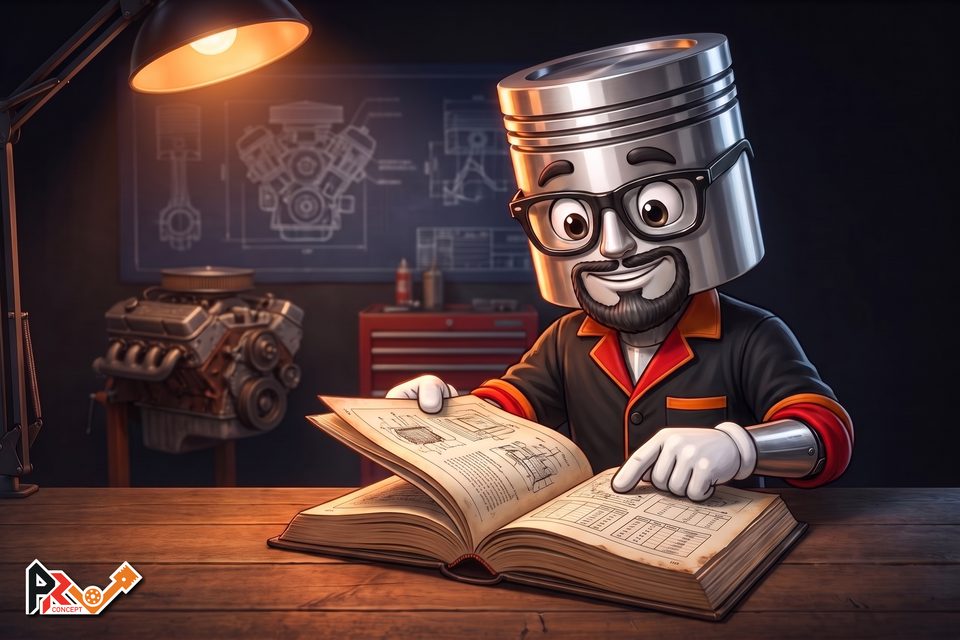
He has a piston for a head, glasses, a spanner in his hand, and he answers on the site and on the forum: Père Hervé is an artificial intelligence. What he knows, where he gets it, what he refuses to do — make things up — and why the association chose to say so.
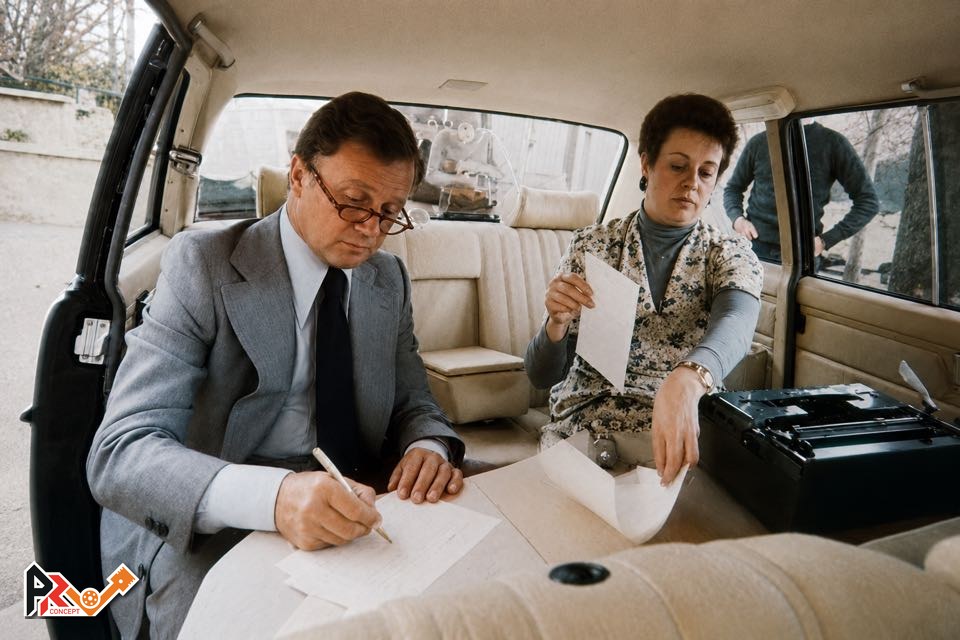
A tribute to Philippe Bouvard (1929–2026): his 1982 Heuliez-bodied 604 Limousine, fitted out as a rolling office — PTT radiotelephone, typewriter, secretaries on board — from the Paris pavement to the Aventure Peugeot museum, to which he donated it in 1998.
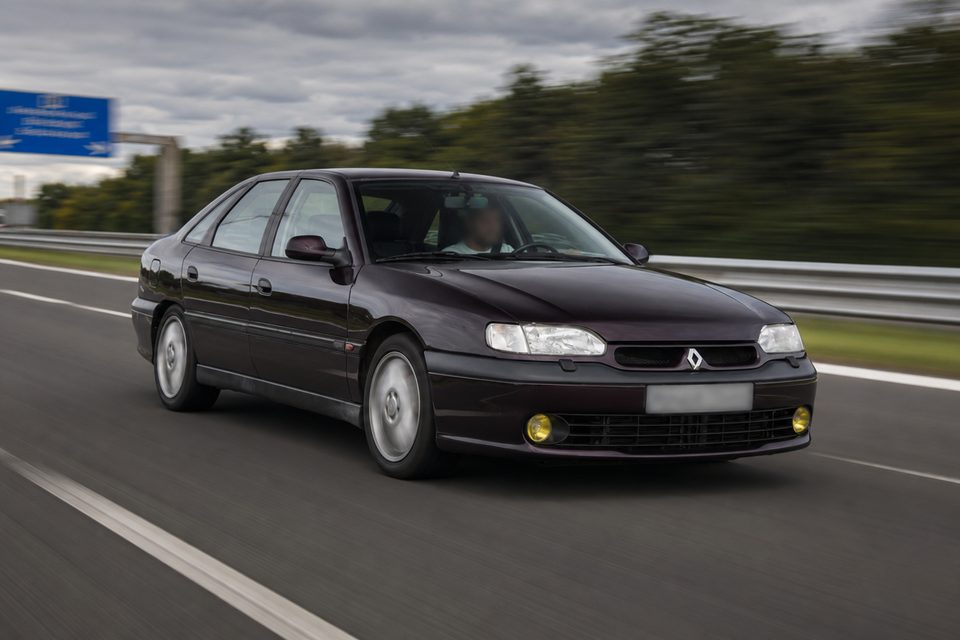
In 1992 Renault promised 268 bhp to challenge the Germans. Delivered two years later, the car left Sandouville to be dismantled in Germany, prepared by Hartge and rebuilt by Irmscher — and its power was capped by its gearbox.
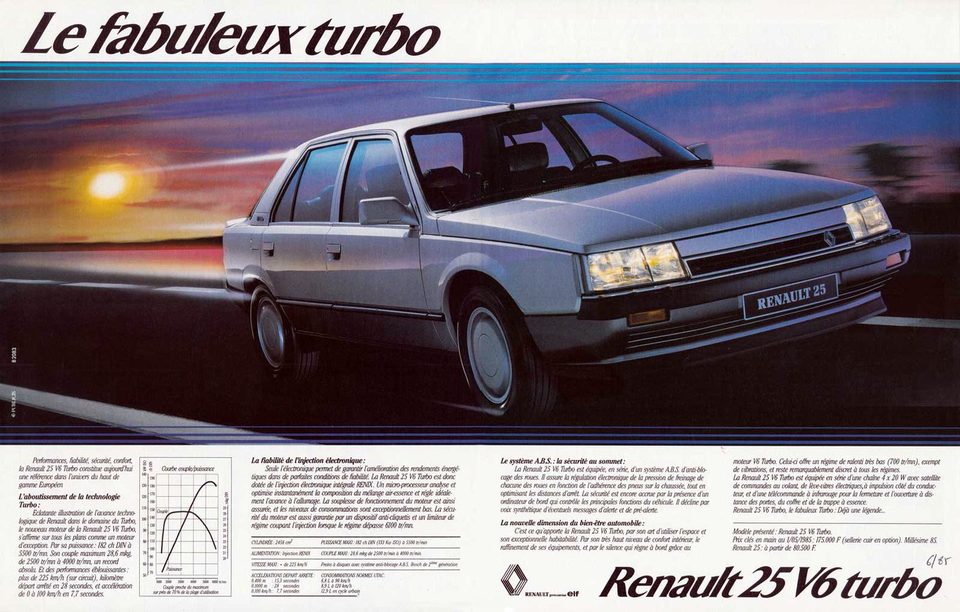
In 1985, the 25 V6 Turbo debuted the Z7U: forged crankshaft with offset crankpins, electronic injection, turbo. And the step from 182 to 205 bhp hides a true engine overhaul — up to the Baccara, the most desirable of all.
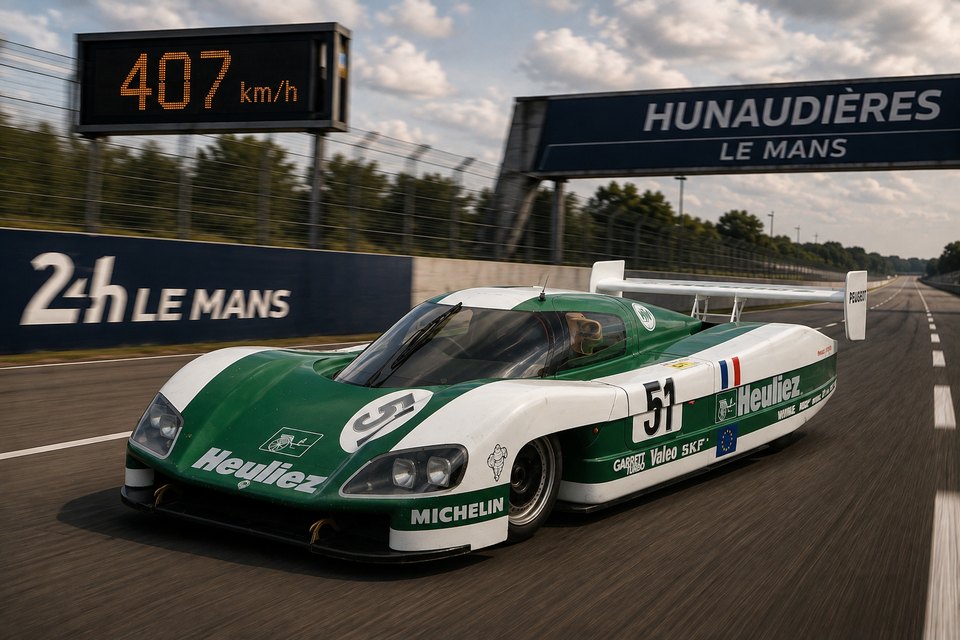
11 June 1988: Roger Dorchy's WM P88, powered by a twin-turbo PRV V6 of around 910 bhp, is radar-timed at 407 km/h at Le Mans. Announced as “405” to launch the Peugeot 405 — and frozen forever by the 1990 chicanes.
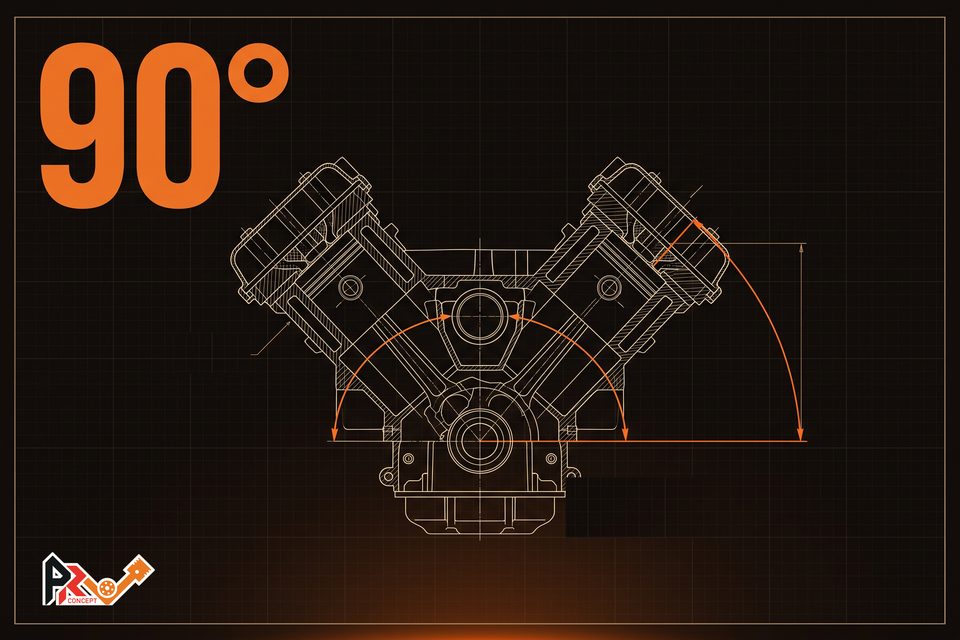
The “norm” for a V6 is a 60° vee. The PRV runs 90° — the direct inheritance of the stillborn V8 it descends from. The story of an industrial decision that became the engine's signature.
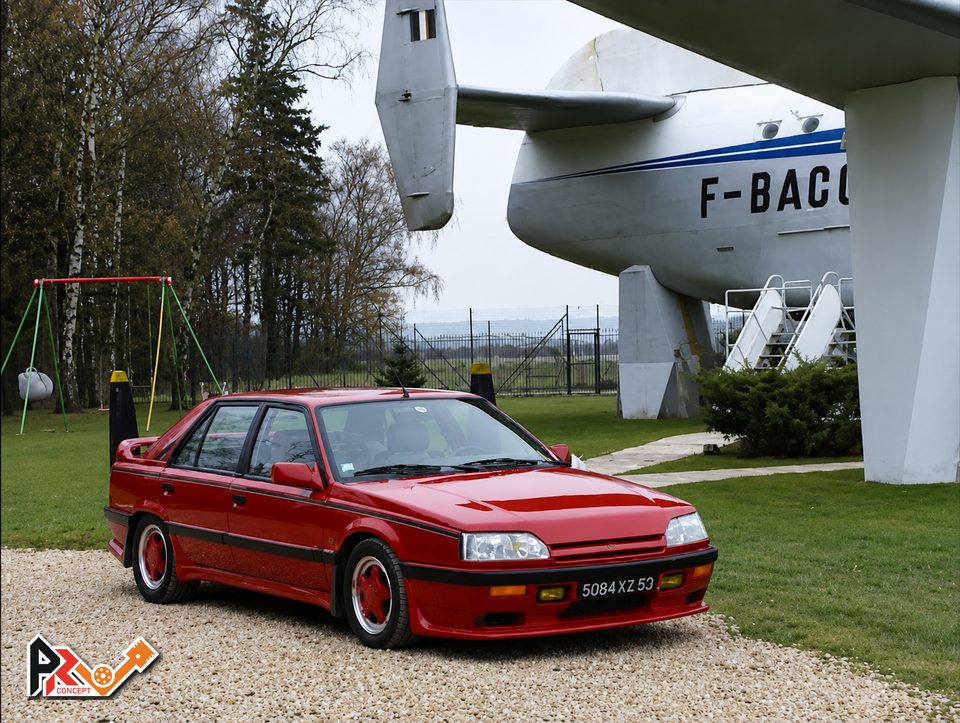
Nicknamed “the AMG of the R25”, the HAS-prepared Renault 25 V6 Turbo pushed the PRV to nearly 240 bhp — around ten cars built, outside any factory catalogue. The period report, put back in context.
Every article is also relayed on the association's channels — Facebook, Instagram and YouTube — and discussed on the forum.