From road-going optimisations to near-1,000 bhp competition engines: the tuners, engine builders and specialist makers who reworked the PRV V6 — each entry tagged with how official it was and how solid the information is.
Conceived as a quiet, civilised grand-touring engine, the PRV V6 ended up drawing far more than its designers intended. Across two decades, tuners, engine builders and specialist makers exploited it in every direction — from mild road optimisations to homologated dealer kits, all the way to the fearsome bi-turbo competition units of Le Mans. This page gathers only those who significantly modified or exploited the PRV engine itself; purely cosmetic special editions are deliberately left out.
Two things are flagged for every entry: its status — how official the preparation was — and the reliability of the information we have on it.
Built with the manufacturer's blessing — listed in the catalogue, homologated by the authorities, or developed in-house — and sold or serviced through the official network.
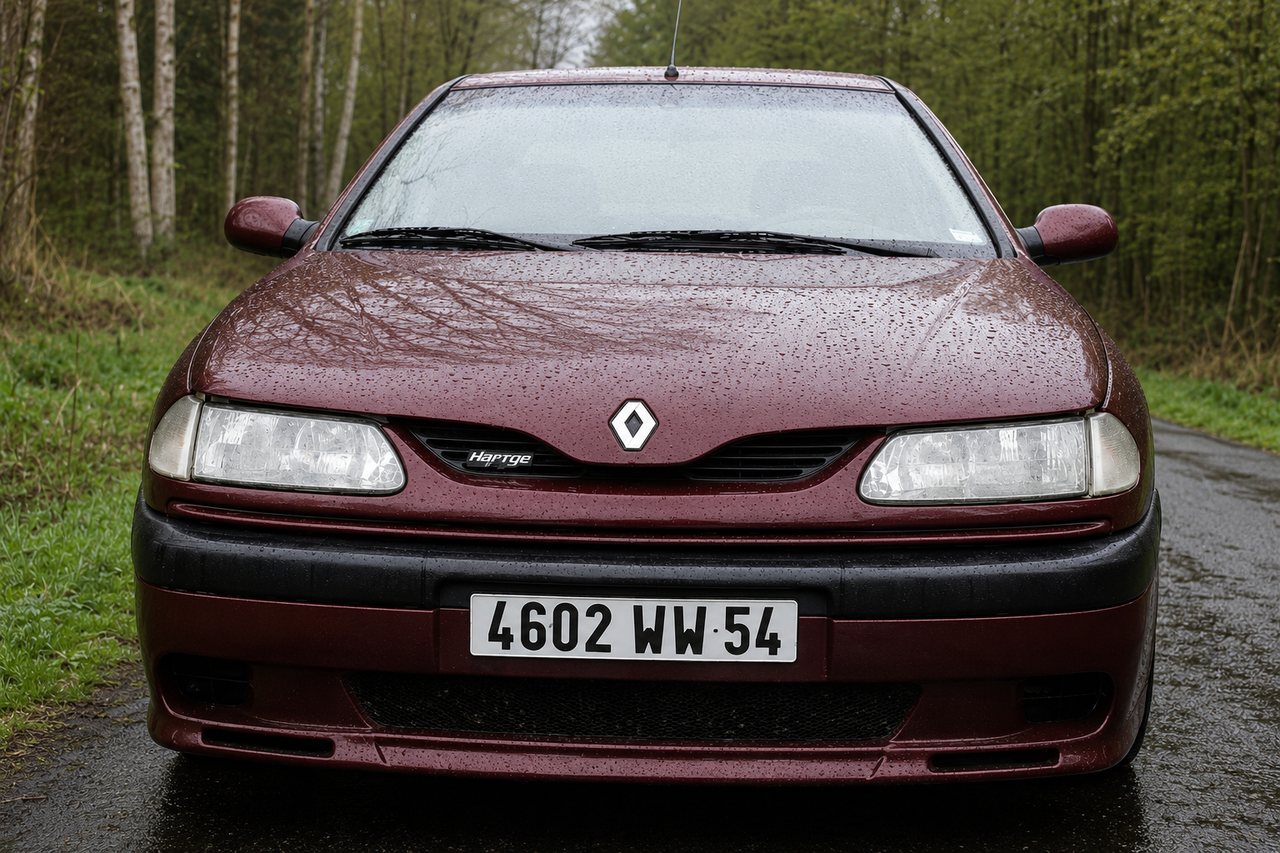
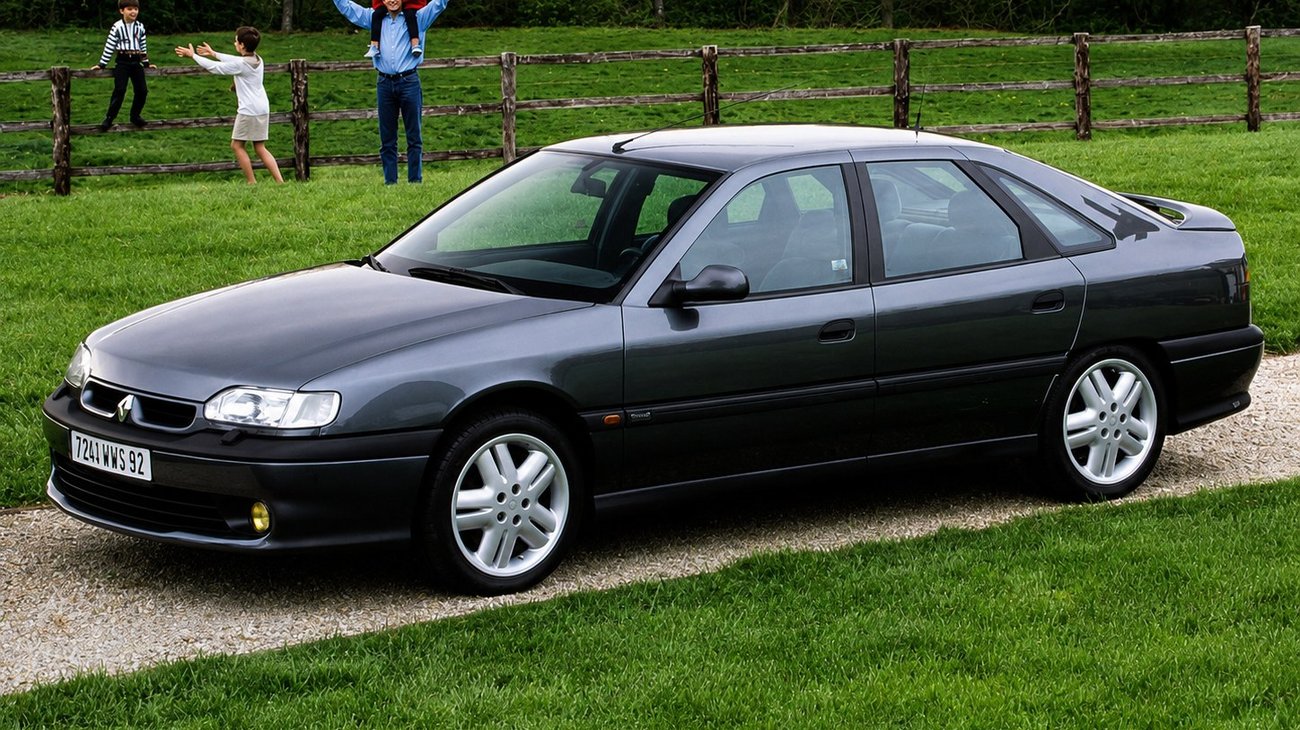
To crown its range and challenge the great German autobahn cruisers, Renault entrusted the V6 of its Safrane to the German tuner Hartge. The 3.0-litre Z7X gained two turbochargers and 268 bhp, sent to all four wheels. Unveiled in 1993, the Safrane Biturbo was a genuine catalogue model, sold through the Renault network.
The widened body, interior and final assembly were the work of Irmscher (see below). Rare and confidential, it remains the only production Renault powered by a bi-turbo PRV V6.

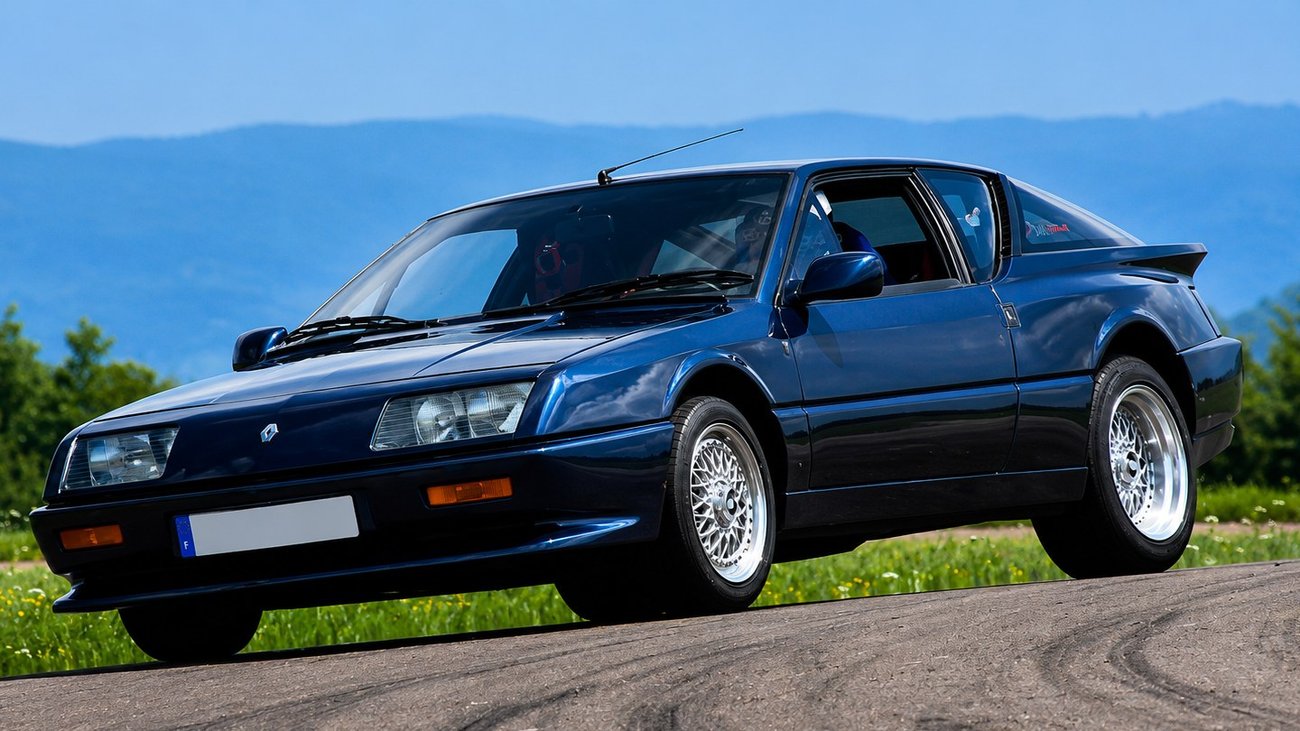
When catalytic converters dropped the Alpine GTA Le Mans from 200 to 185 bhp, discontent grew. In answer, the tuner Danielson — founded in 1975 in Auxerre by Jacques Brussel — developed, together with Alpine's after-sales department, an engine kit that brought power back to 210 bhp. This is the Alpine GTA Le Mans Danielson.
Remarkably for a tuning kit, it was homologated by the French authorities and offered through the Renault network. A Danielson plate sits next to the two Renault plates in the engine bay — the hallmark of an official preparation.

Bernard Pierangeli, a leading figure at the Centre Alpine in Boulogne, created from 1987 what is regarded as the most accomplished version of the GTA V6 Turbo, conceived to rival the German and Italian sports cars. Departing from the standard 2.5-litre PRV, Pierangeli is said to have adopted the larger 2.8-litre PRV and a Garrett T3 turbo (around 0.65 bar) — taking the V6 to roughly 250 to 265 bhp depending on sources.
Prepared in-house by the Centre Alpine rather than by an outside workshop, the “Pierangeli” GTA — sometimes called the GTA Evolution — remained a very confidential series. Its exact figures and production count are still to be firmly documented.

Free-agent outfits working outside any official channel — building cars to order, with no catalogue listing and no manufacturer backing.
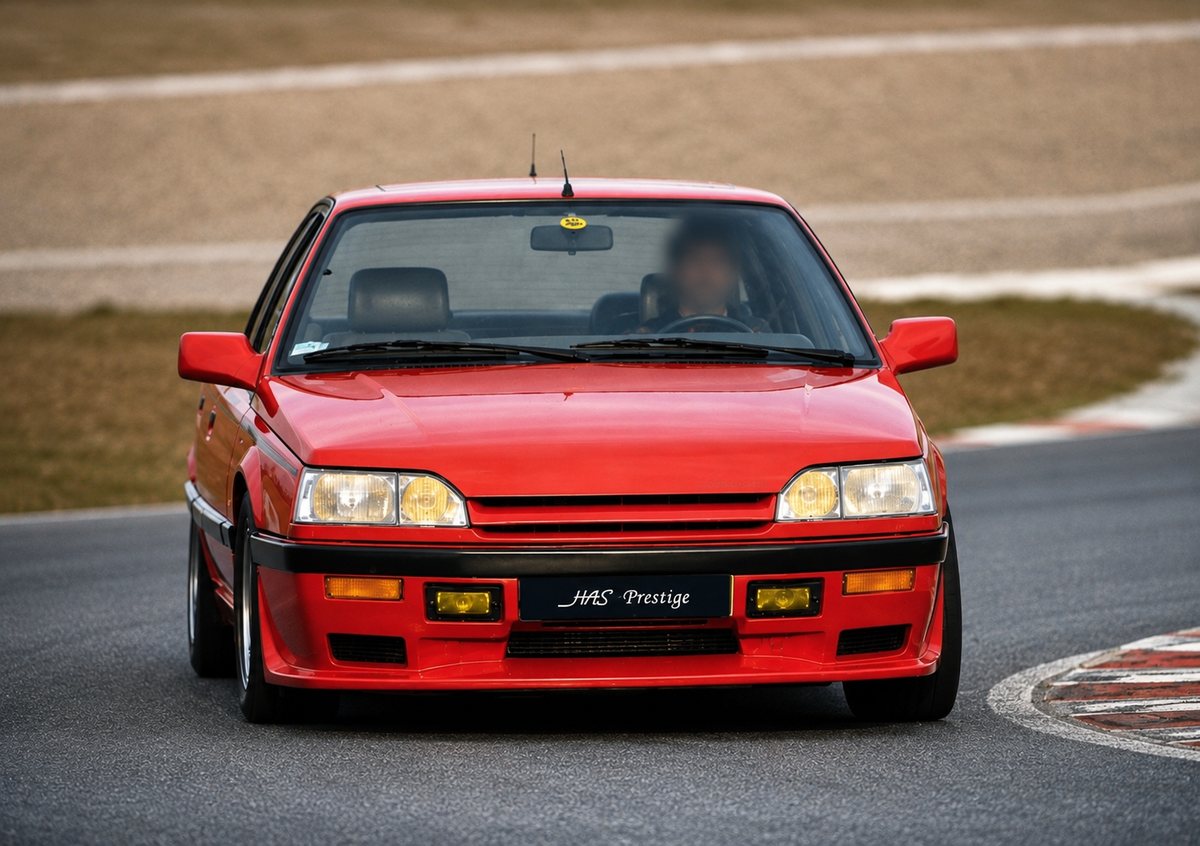
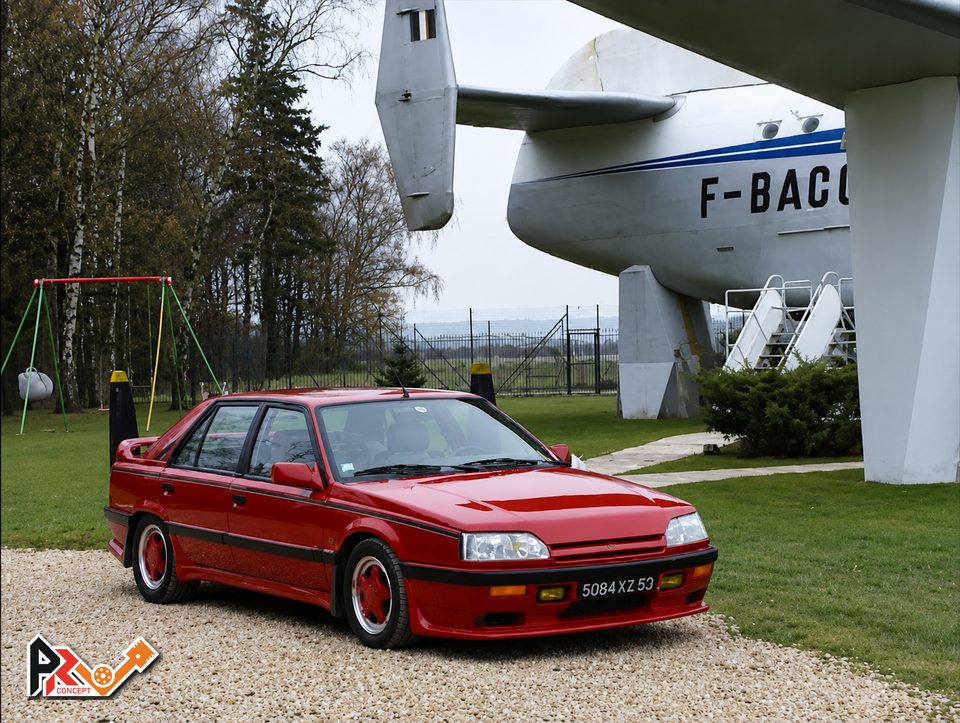
In the late 1980s, a young French outfit set out to transform production cars the way AMG did for Mercedes: this was HAS. For its first effort it took on the Renault 25 V6 Turbo, lifting the engine to nearly 240 bhp — turbo, intercooler, electronics and suspension all reworked. This is the Renault 25 V6 Turbo HAS.
A strictly independent preparation, outside the Renault catalogue, the “HAS Prestige” seems to have been built in only a handful of examples (around ten) — to the point of becoming a near-unfindable myth among R25 enthusiasts. The exact production count remains to be confirmed.

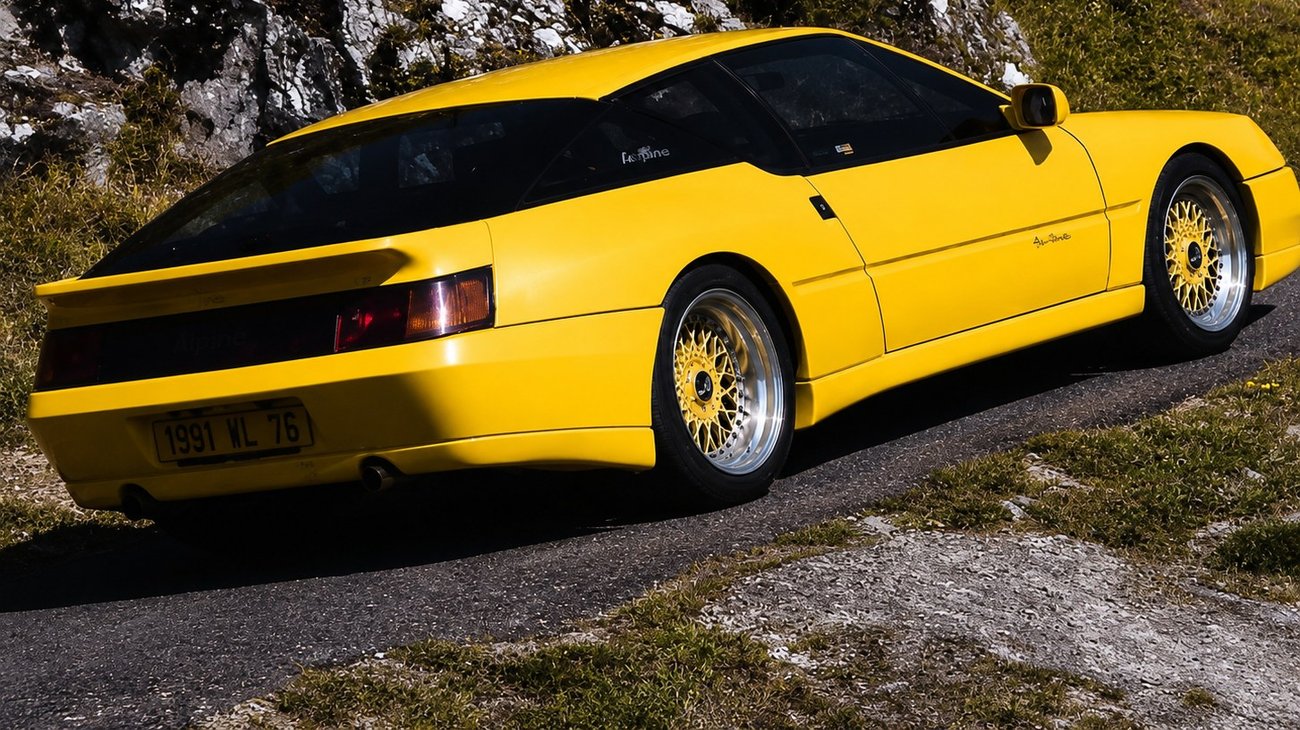
Note — beyond the Renault 25, a HAS-prepared Alpine GTA is also known: a yellow car that circulates online. As documentation on it is very sparse, it is treated separately below, among the cases to be confirmed.
Specialists who didn't just tune a car but built the engine — or the whole car — around the PRV: the engine house behind the Venturis, the maker itself, and the integrator of the Safrane Biturbo.
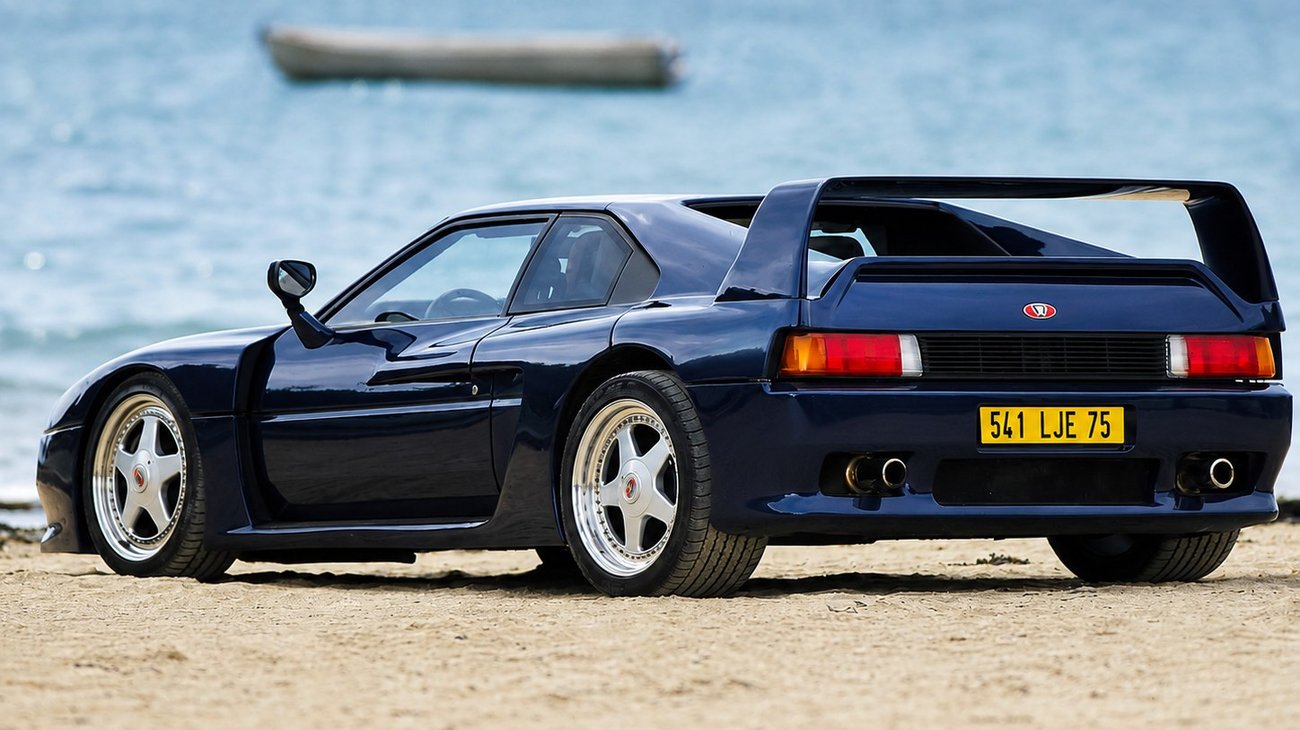
The French maker Venturi entrusted its PRV V6s to the tuner EIA, which turbocharged them for its hand-built sports cars — the PRV EIA partnership. The Venturi 260 turbocharged a 160 bhp 2.8-litre PRV up to 260 bhp; the spectacular 400 GT — nicknamed “the French F40” — started from the 2,975 cc 24-valve naturally-aspirated PRV of the Peugeot 605 SV24 and Citroën XM V6 24v (≈ 200 bhp) and pushed it, bi-turbo with twin Garretts, to 408 bhp — the most powerful road car ever powered by the Douvrin V6.
Note: the later Venturi 300 Atlantique dropped the PRV for the 60° “PR” V6 (L7X) — and so falls outside the PRV's scope.

MVS — Manufacture de Voitures de Sport — founded in 1984, built its entire identity on the turbocharged PRV V6. From the 200 and 210 to the 260, then the bi-turbo 400 GT and the 600 LM racer, Venturi turned the Douvrin engine into a credible French rival to Porsche and Ferrari — the engines themselves prepared by EIA (above).
Only the later 300 Atlantique broke the link, switching to the 60° PR V6 — which is why Venturi appears here strictly for its PRV-powered models.
On the Safrane Biturbo project, the German specialist Irmscher worked hand in hand with Hartge: while Hartge built the bi-turbo PRV engine, Irmscher handled the widened body, the bespoke interior and the final assembly of the cars. It is included here as the technical integrator of a major PRV engine project — not for a purely cosmetic role.
The precise division of labour between Hartge and Irmscher varies between sources and would benefit from firmer documentation.
The PRV crossed the Atlantic too — most famously to turn the DeLorean into the sports car its makers had promised.
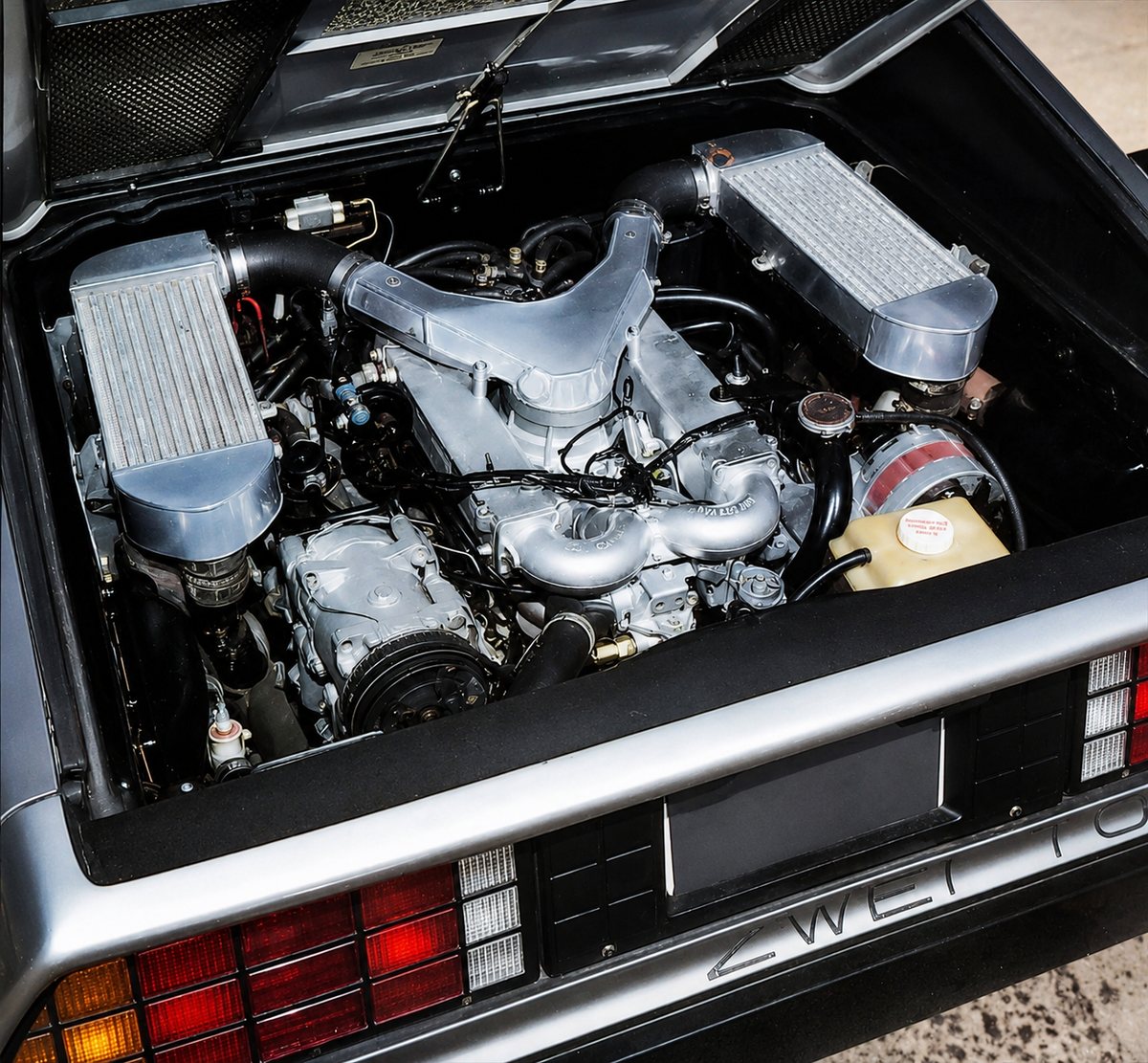
To inject some muscle into his DMC-12, judged too slow, John DeLorean personally entrusted the PRV V6 to Legend Industries, in Long Island, New York. The firm rebuilt the engine around two turbos — bespoke pistons, rods, head gaskets and bolts — for the DeLorean Twin Turbo, aiming for genuine sports-car performance and reportedly around 200 bhp.
Commissioned by the manufacturer itself, the bi-turbo version never reached the catalogue: DeLorean's 1982 bankruptcy took the project down with it. Fewer than ten cars seem to have received the system — and the exact count remains to be confirmed.

At the far end of the spectrum: a very real prototype that was never sold, one-off demonstrators whose details are still unclear, and the PRV's extraordinary competition career — the subject of its own page.
After the Safrane Biturbo, Hartge took a second shot: around 1995 it built a Renault Laguna Biturbo prototype. The same 3.0-litre bi-turbo PRV V6, this time driving the front wheels of a far lighter car, was lifted to 280 bhp — good for 0–100 km/h in about 7 seconds and over 250 km/h.
But Renault, burned by the Safrane Biturbo's commercial flop (barely 806 sold), refused to put it into production. Only a handful — around five to seven — were built, a few reaching enthusiasts, making the Laguna Biturbo one of the great French “might-have-beens” of the 1990s.

A yellow HAS-prepared Alpine GTA circulates online. Whether it is a demonstrator, a one-off or a client build is unclear, and no reliable figures are available. We flag it without advancing any numbers.
Beyond the GTA Le Mans kit, a Danielson preparation of the Alpine A610 is sometimes mentioned. Its existence and exact content remain to be confirmed.
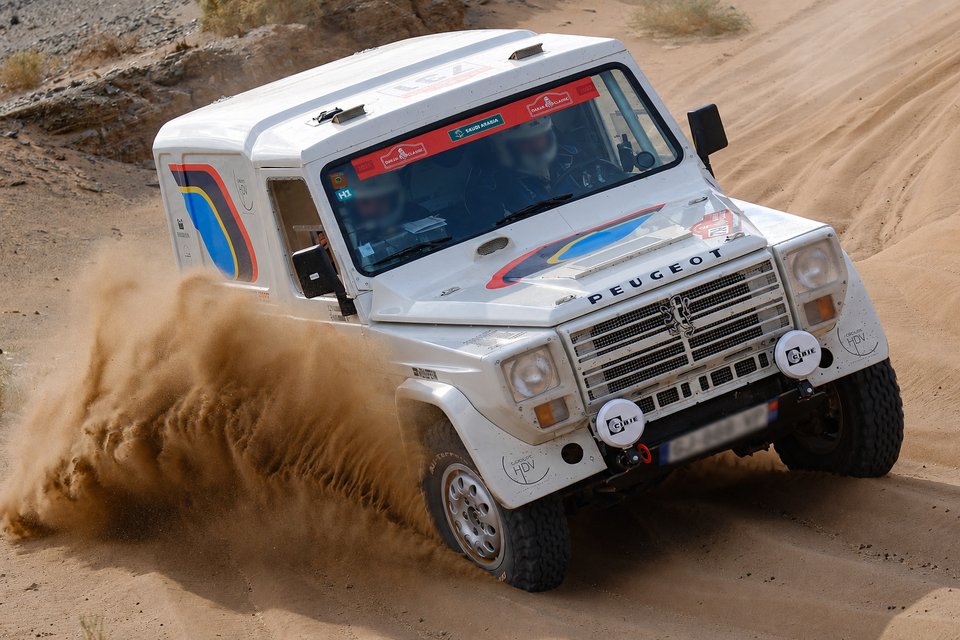
Bi-turbocharged, the PRV V6 wrote racing history at Le Mans, all the way to the all-time 407 km/h record set by the WM-Peugeot P88 in 1988. PRV competition has its own dedicated page.
| Tuner | Vehicle | Engine | Displ. | Stock | Tuned | Type | Status / reliability |
|---|---|---|---|---|---|---|---|
| Hartge | Renault Safrane Biturbo | Z7X biturbo | 2 963 | ≈ 170 | 268 | Bi-turbo + AWD | Catalogue · 🟢 |
| Hartge | Renault Laguna Biturbo (prototype) | Z7X biturbo | 2 963 | ≈ 170 | ≈ 280 | Bi-turbo (FWD) | Prototype · 🟡 |
| Danielson | Alpine GTA Le Mans | Z7U 734 | 2 458 | 185 | 210 | Homologated kit | Network · 🟢 |
| Pierangeli | Alpine GTA Evolution | PRV 2.8 turbo | 2 849 | 200 | ≈ 250–265 | 2.8 L + turbo | Official · 🟠 |
| HAS | Renault 25 V6 Turbo | Z7U (2.5 t) | 2 458 | 182 | ≈ 240 | Turbo + intercooler | Independent · 🟠 |
| EIA / Venturi | Venturi 260 | Z7W turbo | 2 849 | 160 | 260 | Turbo | Engine builder · 🟡 |
| EIA / Venturi | Venturi 400 GT (“French F40”) | PRV 24v bi-turbo | 2 975 | 200 | 408 | Bi-turbo 24v | Engine builder · 🟡 |
| Legend Ind. | DeLorean Twin Turbo | ZMJ-159 bi-turbo | 2 849 | 130 | ≈ 200 | Bi-turbo | Prototype · 🟠 |
| HAS | Alpine GTA HAS (yellow) | — | — | — | — | To confirm | Prototype · 🔴 |
| Year | Tuner | Vehicle | Output | Note |
|---|---|---|---|---|
| ≈ 1981 | Legend Ind. | DeLorean Twin Turbo | ≈ 200 ch | Bi-turbo; project halted by the DMC bankruptcy (1982) |
| 1984 | MVS / Venturi | Maker founded | — | A whole range built on the turbo PRV V6 |
| ≈ 1987 | Pierangeli | Alpine GTA Evolution | ≈ 250–265 ch | In-house at the Centre Alpine: 2.8 L + Garrett T3 |
| ≈ 1989 | HAS | Renault 25 V6 Turbo | ≈ 240 ch | Confidential independent preparation |
| ≈ 1990 | EIA / Venturi | Venturi 260 | 260 ch | 2.8 L turbo PRV |
| ≈ 1991 | Danielson | Alpine GTA Le Mans | 210 ch | Homologated kit, Renault network |
| 1993 | Hartge / Irmscher | Renault Safrane Biturbo | 268 ch | Z7X bi-turbo, AWD, catalogue model |
| ≈ 1994 | EIA / Venturi | Venturi 400 GT | 408 ch | 2,975 cc 24v bi-turbo PRV — the road peak |
In the spirit of historical honesty, here are the points we cannot yet state with certainty. If you hold period documents, photos or first-hand knowledge, the forum is the place to help us firm them up.
Demonstrator, one-off or client build? No reliable output figure.
Existence and exact content of the preparation to be confirmed.
Boost pressure, precise output, production count and exact engine code.
In particular the 24-valve bi-turbo of the 400 GT.
“Around ten” is an estimate — the exact figure is unknown.
“Fewer than ten” is the common estimate — to be confirmed.
Twin-turbocharged to nearly 1,000 bhp, the PRV V6 also wrote history at Le Mans — all the way to the all-time 407 km/h record.