Two rivals, common parts
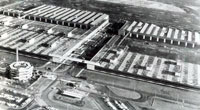
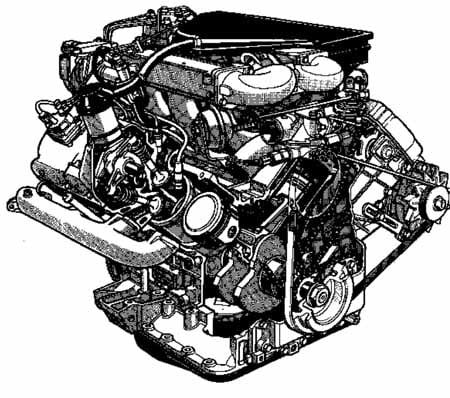
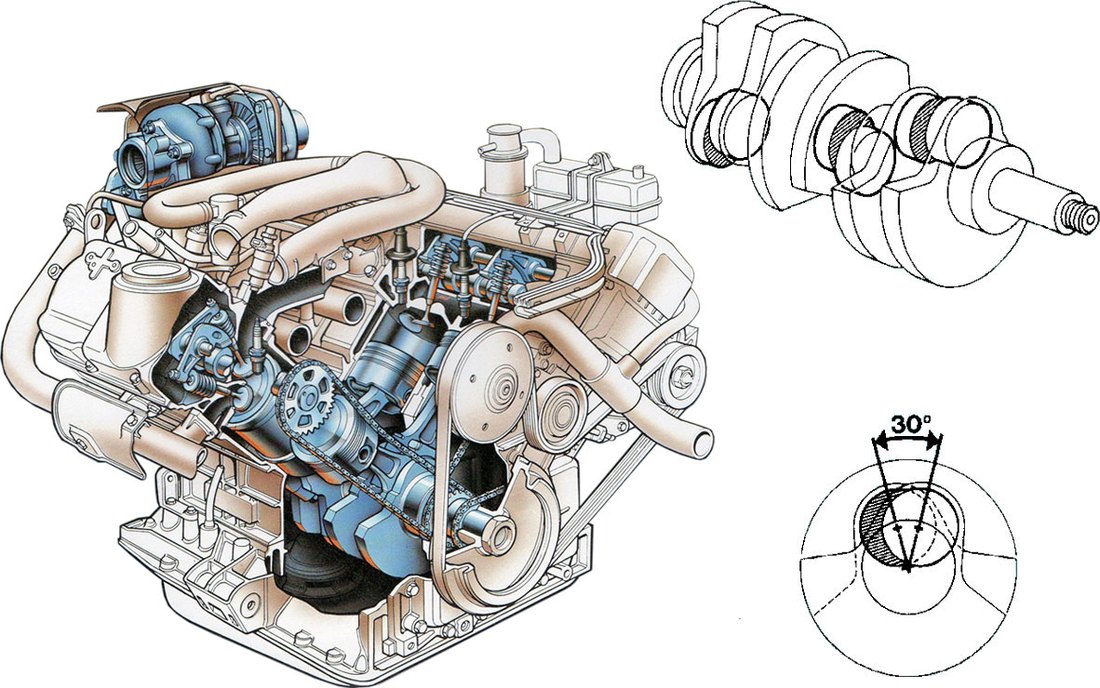
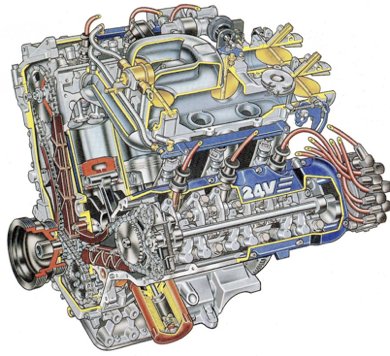
The story of the PRV begins in 1966, when Peugeot and Renault signed an agreement to design common mechanical components. From this collaboration was born La Compagnie Française de Mécanique — more commonly La Française de Mécanique — founded in 1969 at Douvrin, near Lens, in the north of France.
It is from the name Douvrin that the PRV engines would often be designated — not forgetting that the plant also produced a family of inline four-cylinder engines, found for example on the Citroën CX and Peugeot 505.
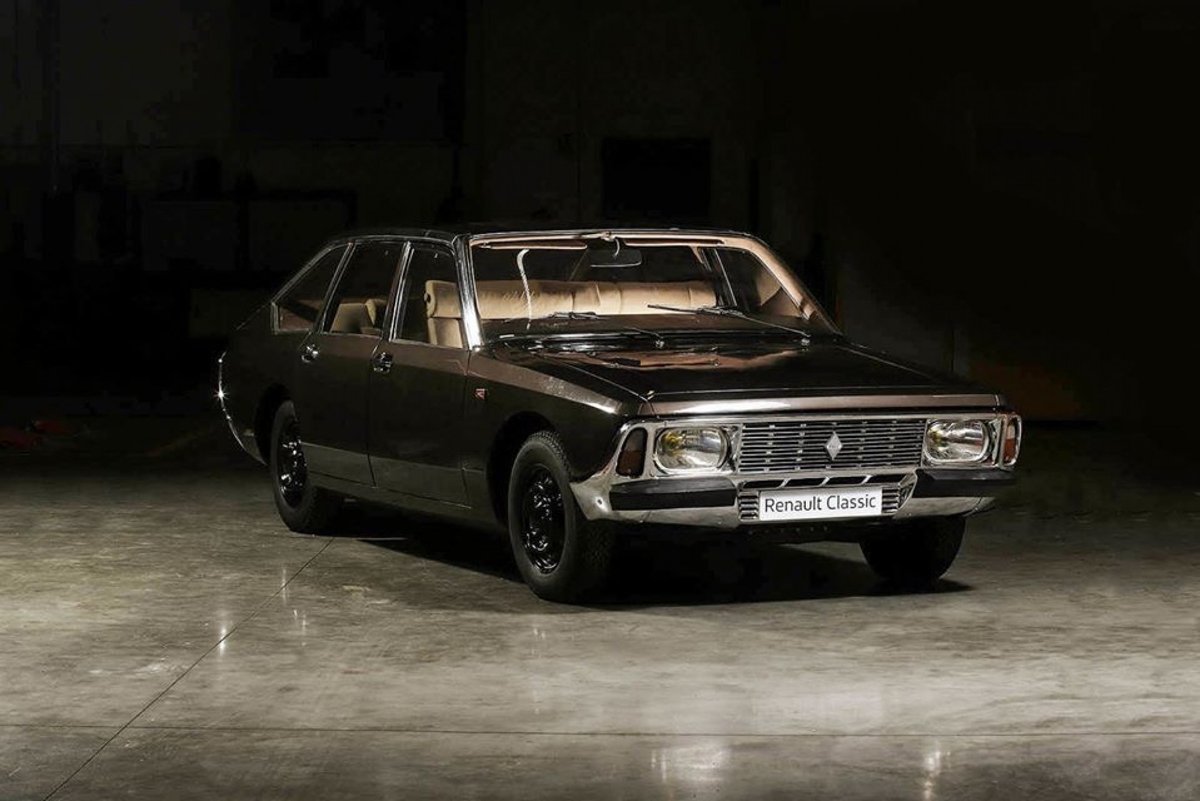
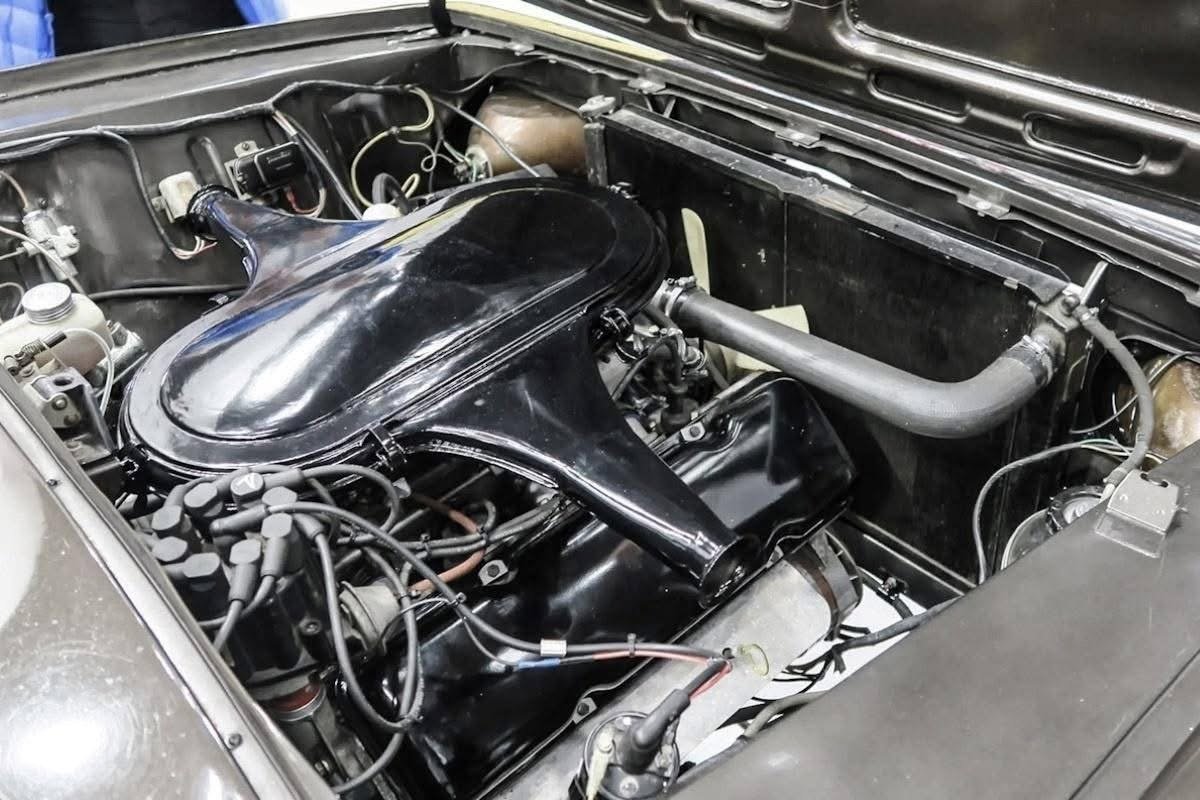
But the original ambition reached far higher. As early as 1966, Renault planned a large French-style luxury saloon — Project H — designed to dethrone the Citroën DS. To power it, Peugeot and Renault jointly developed a 90° V8 of 3,550 cc fed by two twin-barrel carburettors.
Deemed too costly for too uncertain a market, Project H — the saloon — was abandoned as early as July 1967; a single running example survives today, kept by Renault Classic. Its 90° V8, however, would not be buried with it: the fate of that unusual architecture would be settled a few years later.