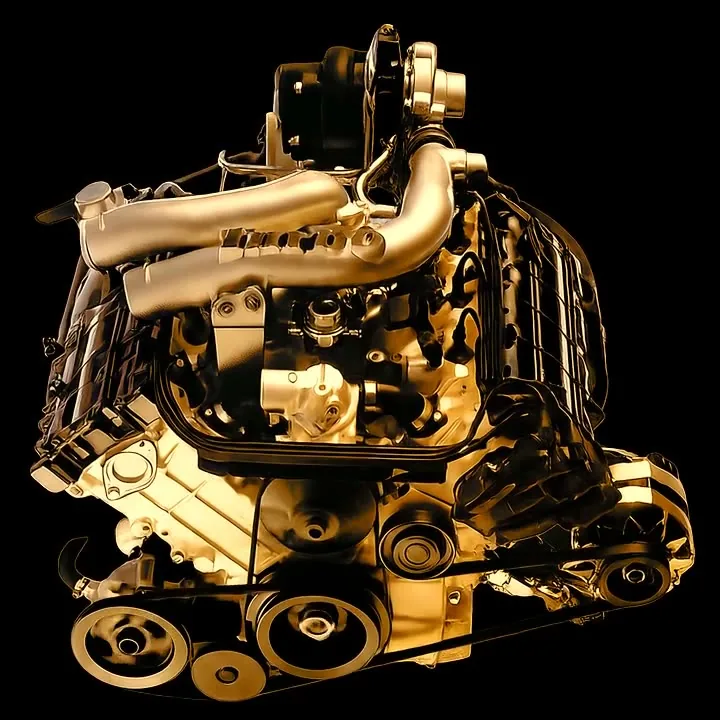
The reference dedicated to the legendary PRV V6 — born of the alliance between Peugeot, Renault and Volvo. A mechanical heritage kept alive by its community.
Forum, Facebook, Instagram, YouTube: the association is active every day. The latest discussions and posts, straight from the community.

The forum has gained what it lacked most: sending photos of your car from a smartphone, without thinking about it. You pick, you look, you publish — formats, weight, orientation and privacy are handled for you. Video demo and diagrams.
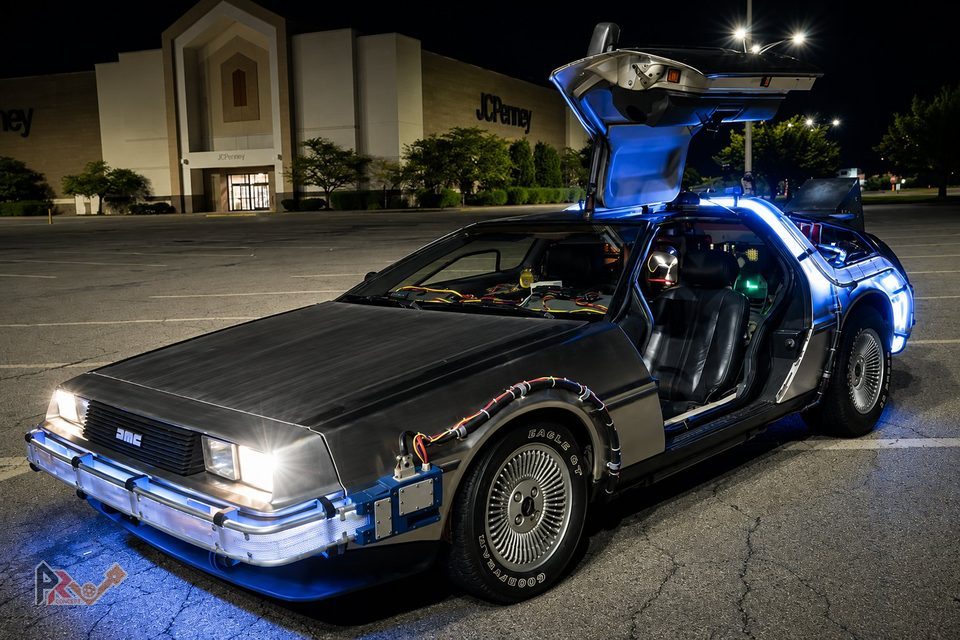
The Back to the Future car runs on a V6 from Douvrin. Why the PRV, the 17 million dollars Renault claimed at the bankruptcy, the car's real weak spot — restarting when hot —, Legend Industries' twin-turbo and the three gold DeLoreans.

The forum and the shop took on the face of the site, and a single account now opens all three. A guided tour on video, signed in as a member: the same look everywhere, one account, and a refurbished shop.
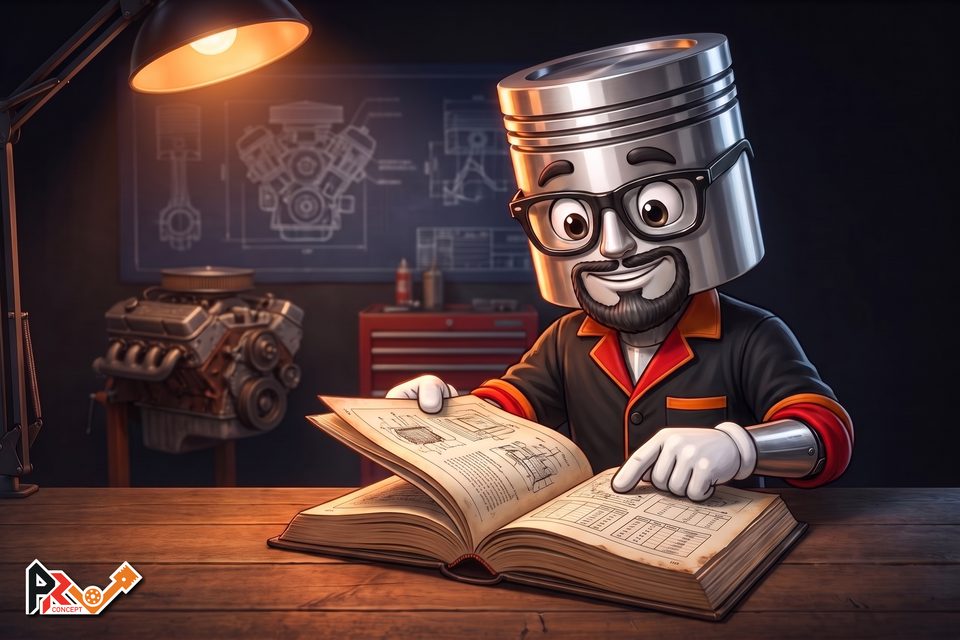
He has a piston for a head, glasses, a spanner in his hand, and he answers on the site and on the forum: Père Hervé is an artificial intelligence. What he knows, where he gets it, what he refuses to do — make things up — and why the association chose to say so.
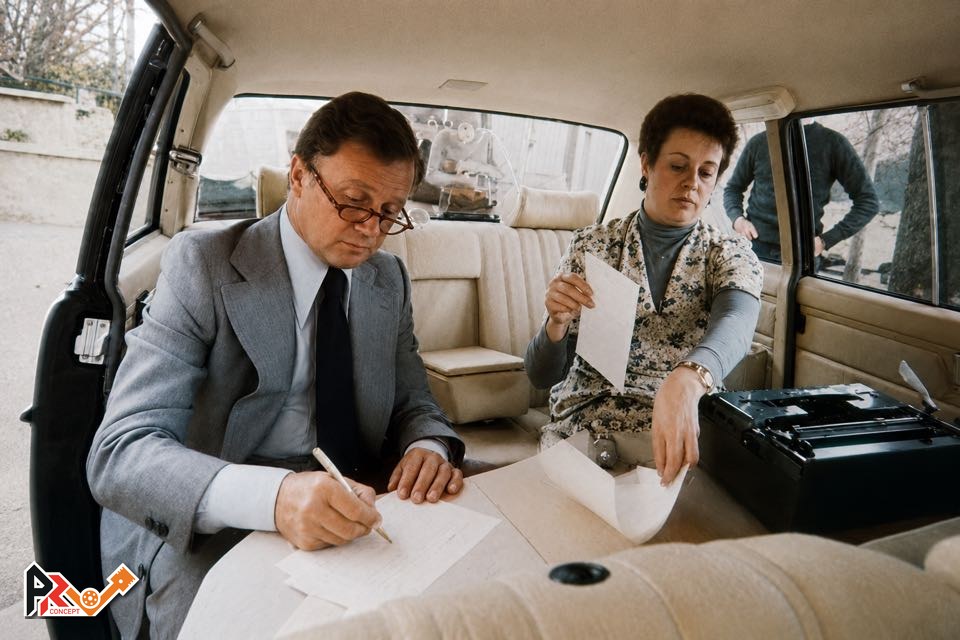
A tribute to Philippe Bouvard (1929–2026): his 1982 Heuliez-bodied 604 Limousine, fitted out as a rolling office — PTT radiotelephone, typewriter, secretaries on board — from the Paris pavement to the Aventure Peugeot museum, to which he donated it in 1998.
The latest posts from the PRV Concept Page: announcements, videos and association news.
Loading connects to facebook.com (cookies).
The association in pictures: cars, engines, meet-ups and behind-the-scenes moments of the PRV community.
@prv_concept
In 1966, Peugeot and Renault signed an agreement to design common mechanical components. From this collaboration was born La Française de Mécanique, founded in 1969 at Douvrin, near Lens, in the north of France.
In 1971, Volvo joined Peugeot and Renault — three marques, equal shares, one V6. The project began as a V8, but the 1973 oil crisis steered it toward a smaller engine with a rare 90° architecture inherited from that aborted V8.
Three rivals who pooled their engineering to build one engine. Equal partners, equal importance.
One of the two original architects of the PRV project. The marque fitted the V6 to its executive saloons and adopted 24-valve heads at the end of the 1980s.
Needed a V6 for its new flagship saloon, accelerating development. In 1985 it launched the legendary turbocharged second generation.
The very first PRV ran under a Volvo in October 1974. The marque kept the V6 in its saloons until 1997, long after the 1992 split.
PRV Concept is not just a website: it is a registered association run by enthusiasts, who document, preserve, gather — and even remanufacture what can no longer be found.
From the 1966 agreement to the last engines of 1998: a bilingual encyclopedic site — history, engine codes, vehicles, prototypes.
Period workshop documentation, technical files and archives, collected and made freely available in the library.
A mutual-aid forum, meet-ups and social channels: owners and enthusiasts helping each other keep these cars on the road.
The association has parts that became unobtainable remanufactured — hoses, injectors, specific hardware — available in the shop.